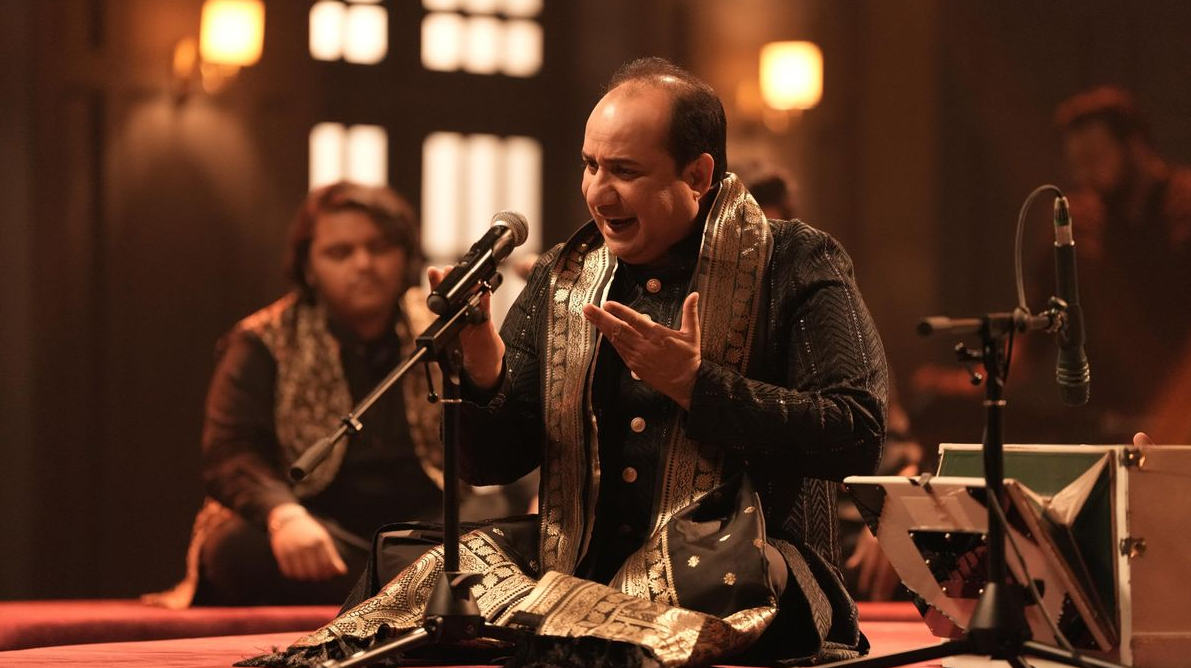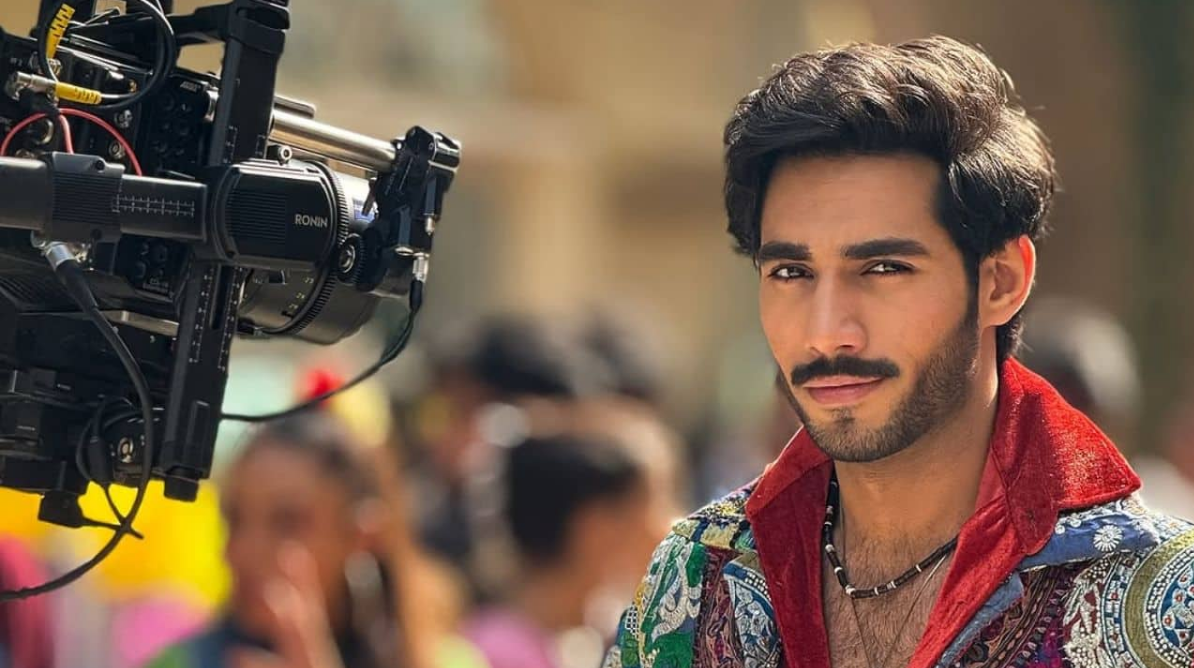
In 2022, The Legend of Maula Jatt, directed by Bilal Lashari, stormed global box offices, earning over $10 million and captivating audiences with its epic storytelling. This Pakistani blockbuster showcased the power of famous Pakistani directors to transcend borders. Pakistani cinema has evolved from its vibrant golden age in the 1950s to a modern revival fueled by bold visionaries. These directors weave tales of culture, identity, and resilience, earning international acclaim. This article explores the contributions of famous Pakistani directors, their iconic films, and their lasting impact on the Pakistani film industry and beyond. Dive in to discover their stories and why their work matters.
The Evolution of Pakistani Cinema
Historical Background
Pakistani cinema flourished in the 1950s to 1970s, known as its golden era. Films like Kartar Singh (1959) drew massive crowds with their emotional depth and cultural resonance. However, the 1980s brought decline due to political instability, censorship, and competition from Indian cinema. By the 2000s, a revival began, sparked by new talent and digital technology. Directors like Shoaib Mansoor and Bilal Lashari led this transformation, blending modern techniques with authentic storytelling to revive Pakistani cinema.
Cultural Significance
Pakistani films mirror the nation’s soul, tackling issues like gender roles, religious extremism, and social inequality. Directors play a pivotal role in preserving traditions while challenging norms. From rural Punjab’s vibrancy to urban struggles, their work captures Pakistan’s diversity. Notable Pakistani filmmakers ensure these stories resonate, fostering pride and dialogue within and beyond borders.
Famous Pakistani Directors and Their Contributions

Shoaib Mansoor
Shoaib Mansoor, a television veteran, entered filmmaking with a bang. His debut, Khuda Kay Liye (2007), tackled religious extremism, earning praise for its courage. Bol (2011) followed, exposing gender inequality and patriarchal norms. Mansoor’s films blend raw emotion with social commentary, making him a pioneer among famous Pakistani directors. Both movies screened at festivals like Locarno, gaining global acclaim and sparking conversations about Pakistan’s societal challenges.
Asim Raza
Asim Raza transitioned from directing vibrant ads to feature films. His Ho Mann Jahaan (2015) captured the dreams of Pakistan’s youth, blending music and modern aesthetics. Parey Hut Love (2019) elevated production quality with its colorful visuals and catchy soundtracks. Raza’s focus on youth-centric stories revolutionized film direction in Pakistan, appealing to younger audiences and setting new standards for commercial cinema.
Sarmad Khoosat
Sarmad Khoosat, an actor-turned-director, is known for his nuanced storytelling. Manto (2015) portrayed the life of writer Saadat Hasan Manto, earning critical acclaim for its depth. Zindagi Tamasha (2020) faced censorship but won awards at Busan and was Pakistan’s Oscar entry. Khoosat’s work, rooted in human struggles, cements his status among notable Pakistani filmmakers, with international recognition for bold narratives.
Nabeel Qureshi
Nabeel Qureshi, alongside producer Fizza Ali Meerza, redefined commercial cinema. Na Maloom Afraad (2014) mixed humor with social satire, resonating with mass audiences. Actor in Law (2016) critiqued societal hypocrisy while entertaining. Qureshi’s films have strengthened the Pakistani film industry’s commercial viability, proving local stories can compete with Bollywood’s dominance.
Bilal Lashari
Bilal Lashari redefined action cinema with Waar (2013), a high-octane thriller that became a box-office hit. His magnum opus, The Legend of Maula Jatt (2022), grossed over $10 million worldwide, blending epic storytelling with stunning visuals. Lashari’s visionary approach has made him a standout among famous Pakistani directors, with Maula Jatt becoming a cultural phenomenon celebrated globally.
Challenges Faced by Pakistani Directors
Industry Constraints
Pakistani directors face significant hurdles. Limited funding restricts production quality, with many relying on personal savings or small investors. Cinemas are scarce, and competition from Bollywood and Hollywood imports overshadows local films. Despite these challenges, directors like Nabeel Qureshi have created commercially successful films on modest budgets.
Censorship and Societal Pressures
Navigating Pakistan’s strict censorship laws is tough. Films addressing sensitive topics like religion or politics often face bans. Sarmad Khoosat’s Zindagi Tamasha was stalled by censors despite international acclaim. Directors must balance artistic freedom with cultural expectations, a tightrope that tests their resilience.
Overcoming Barriers
To overcome these challenges, directors turn to independent platforms and festivals. Digital media, like YouTube, offers wider reach. Bilal Lashari used international partnerships to fund The Legend of Maula Jatt. Shoaib Mansoor’s festival screenings built global audiences. These efforts highlight the tenacity of filmmakers in Pakistan’s evolving cinema landscape.
The Global Impact of Pakistani Directors
International Film Festivals
Pakistani films have shone at prestigious festivals. Khuda Kay Liye screened at Locarno, while Zindagi Tamasha won at Busan. The Legend of Maula Jatt premiered at Cannes, earning praise for its technical brilliance. These successes showcase the storytelling prowess of notable Pakistani filmmakers on the world stage.
Cultural Diplomacy
Directors promote Pakistan’s rich culture globally. Zindagi Tamasha highlighted Sufi traditions, while The Legend of Maula Jatt showcased Punjabi folklore. These films bridge cultural gaps, fostering understanding. Screenings abroad, like at TIFF, position Pakistani cinema as a tool for cultural diplomacy.
Inspiring New Talent
Famous Pakistani directors inspire the next generation. Sarmad Khoosat mentors aspiring filmmakers through workshops. Bilal Lashari’s success has spurred interest in film schools like Beaconhouse National University’s program. Their influence extends to the diaspora, encouraging diverse voices in global cinema.
The Future of Pakistani Cinema
Emerging Directors
New talent is carrying the torch. Saqib Malik’s Rahm (2016) explored complex human emotions, signaling a bright future. Directors like Abu Aleeha (Teefa in Trouble, 2018) continue to innovate, blending genres to attract diverse audiences.
Technological Advancements
Digital platforms like Netflix and YouTube have expanded distribution. Pakistani films now reach global viewers instantly. Advances in VFX, seen in The Legend of Maula Jatt, rival international standards. These tools empower directors to create ambitious projects with broader appeal.
Audience Growth
Domestic audiences are growing, with cinema attendance rising 30% since 2015, per Dawn. International viewership is expanding via streaming platforms. Pakistani cinema’s potential to become a global force is evident, driven by directors who blend local stories with universal themes.
FAQs
Who are some famous Pakistani directors?
Shoaib Mansoor (Khuda Kay Liye), Bilal Lashari (The Legend of Maula Jatt), Sarmad Khoosat (Zindagi Tamasha), Asim Raza (Parey Hut Love), and Nabeel Qureshi (Na Maloom Afraad) are leading figures shaping Pakistani cinema.
What makes Pakistani cinema unique?
Pakistani cinema stands out for its cultural storytelling, tackling issues like identity and social justice. Its resilience against censorship and limited resources adds depth, making films relatable yet distinct.
Which Pakistani films have gained international recognition?
Khuda Kay Liye, Zindagi Tamasha, and The Legend of Maula Jatt have earned accolades at festivals like Locarno, Busan, and Cannes, showcasing Pakistan’s cinematic talent globally.
How can I watch movies by Pakistani directors?
Stream films on Netflix, YouTube, or platforms like Vimeo. Check local cinemas or attend festivals like TIFF for screenings. Many films are also available on Amazon Prime.
Conclusion
Famous Pakistani directors like Shoaib Mansoor, Bilal Lashari, and Sarmad Khoosat have transformed Pakistani cinema with bold narratives and stunning visuals. Their films tackle societal issues, preserve cultural heritage, and earn global praise. Despite challenges like censorship and limited resources, their resilience shines. Explore their movies on Netflix or at festivals to witness Pakistan’s cinematic renaissance. As these directors continue to inspire, Pakistani cinema is poised to leave an even greater mark on the global stage.